2026-10-16 ·
How Fog From The Bay Affects Smoke Damage In Twin Peaks Homes
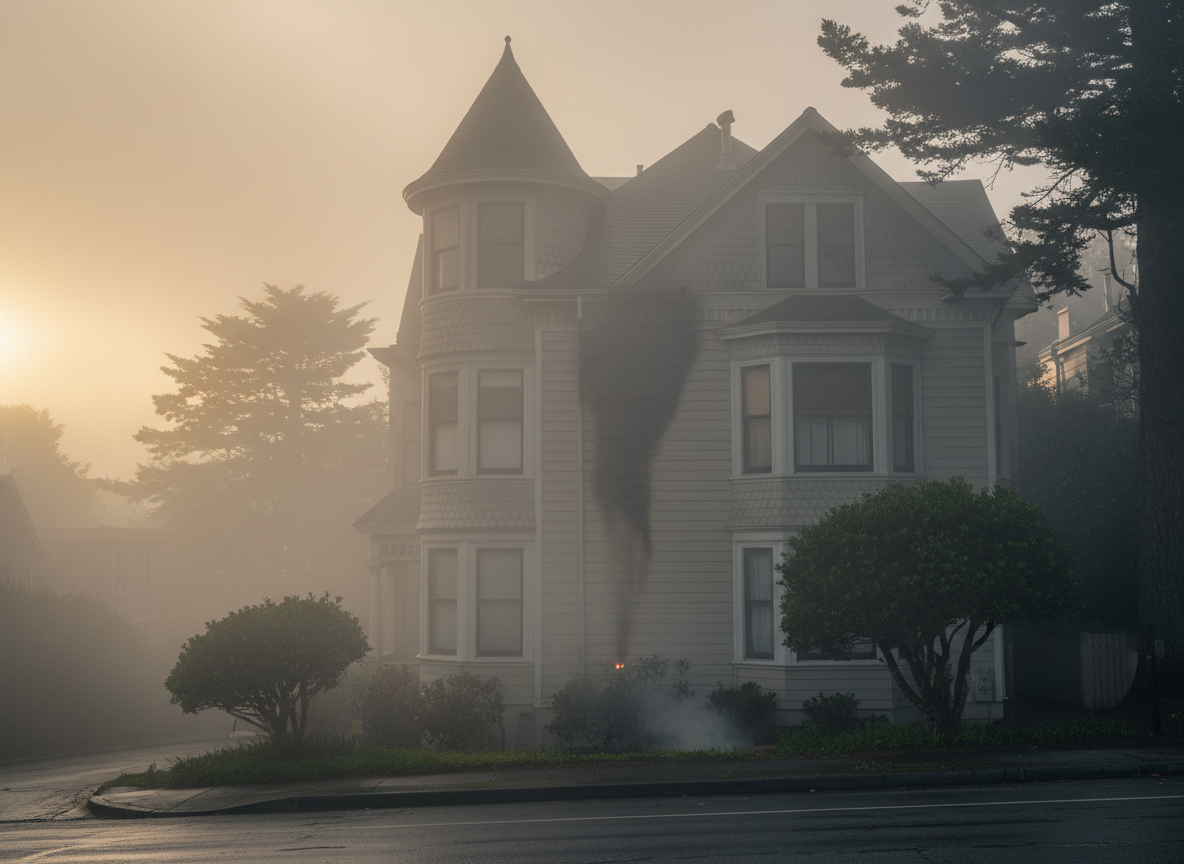
Bay fog reaching Twin Peaks carries extra humidity that bonds with smoke particles, turning dry soot into acidic, sticky deposits that sink deeper into drywall, insulation, and wood framing. This effect shows up most after structure fires when moisture levels stay elevated for days, forcing crews to extend drying times before any cleaning begins.
How Coastal Moisture Changes Soot Behavior
In Twin Peaks the mountain climate brings warm summers and cold snowy winters, so when fog arrives it often meets surfaces already cooled by elevation. The added water vapor mixes with smoke to form a film that adheres to textured ceilings and older plaster walls common in homes built before 1980. Crews see this most in attics where ventilation is limited; the damp soot then migrates downward through ceiling joists. Restoration teams therefore begin with moisture mapping using meters rather than visual inspection alone. They also increase airflow with dehumidifiers sized for 1,500-square-foot homes before starting smoke remediation. Without this step, alkaline cleaners can drive the residue farther into porous materials and trigger secondary odors weeks later.
Effects on Twin Peaks Housing Stock
Many Twin Peaks residences sit on steep lots near CA-189 and feature exposed beam construction or cedar siding that readily absorbs the fog-smoke mixture. After a kitchen fire, for example, the combination leaves a yellowish film on cabinet interiors that standard HEPA vacuuming misses. Crews must then apply pH-neutral rinses followed by targeted odor removal after fire treatments using hydroxyl generators. In nearby Crestline and Lake Arrowhead the same pattern repeats because similar elevation and older wiring increase hidden smoke paths. Homeowners notice lingering smells strongest in winter when windows stay closed and indoor humidity spikes from snow melt. Addressing the issue early prevents the need for full structural repair after fire later.
Practical Restoration Adjustments
Restoration work in Twin Peaks starts with sealing the structure to control the extra moisture load. Teams run commercial air movers at 300 cubic feet per minute per 1,000 square feet for at least 72 hours when fog is forecast. They also test surface pH before applying any cleaners because the fog-smoke reaction often drops readings below 5.0. In severe cases, affected insulation is removed rather than cleaned to avoid recontamination. Homeowners can support the process by keeping HVAC filters changed daily and avoiding reopening sealed rooms until crews confirm dry readings below 12 percent. These steps reduce callback rates that otherwise rise when coastal humidity lingers.
Long-Term Considerations for Local Homes
Over repeated incidents the cumulative effect of fog and smoke can shorten the service life of untreated wood framing by several years. Owners in Rimforest and Running Springs report faster deterioration on north-facing walls where fog pools longest. Regular inspections after any fire event help catch early penetration. When repairs are needed, crews document conditions with photos before and after to guide permit applications on hillside lots. Linking to resources such as What Winter Rains Do To Fire-Damaged Roofs In Twin Peaks gives further context for seasonal planning.